Understanding Retail Merchandising Analytics: How Data Improves Product Placement and Sales
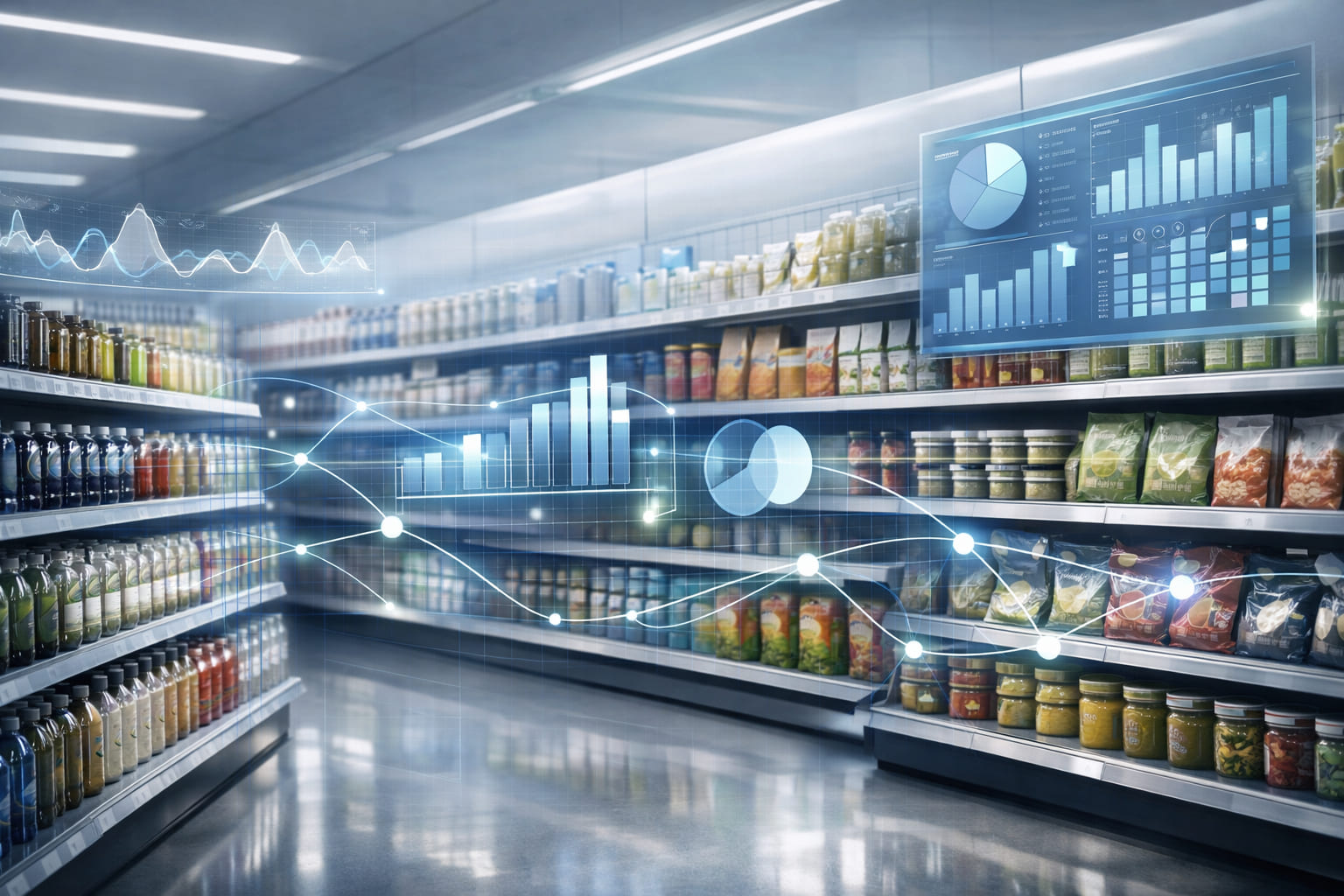
Retail today generates enormous amounts of operational data. Every purchase, shelf interaction, and product movement creates information that can help retailers understand how shoppers behave in stores and online. Retail merchandising analytics focuses on transforming this data into practical insights that improve assortment decisions, product placement, and overall sales performance.
In simple terms, retail merchandising analytics examines how products are presented, organized, and managed across retail channels. It connects sales data, store layout information, inventory records, and customer behavior signals to explain why certain products perform better than others.
Instead of relying solely on intuition, retailers can analyze measurable patterns. These patterns help identify which products attract attention, how different categories influence each other, and where improvements in shelf organization or assortment planning may increase revenue.
What merchandising analytics includes
Merchandising decisions affect nearly every aspect of a retail operation. They determine which products appear in a store, where they are placed, and how they are grouped.
Merchandising analytics helps evaluate these decisions using structured data. It combines several analytical layers that together explain product performance:
- sales and demand analysis across categories
- shelf placement and product visibility impact
- assortment balance and category structure
- inventory movement and stock availability
When analyzed together, these signals reveal how merchandising strategy influences shopper behavior. For example, moving a product closer to a complementary category may increase its visibility and support cross-sales.
Key metrics used in merchandising analytics
Retailers measure merchandising performance through a set of operational metrics. These indicators show whether product placement and assortment decisions support sales goals.
Below are some commonly used metrics.
These metrics help retailers move from observation to measurable evaluation. Instead of guessing which products deserve more shelf space, analysts can rely on performance data.
How retail merchandising analytics generates insights
Retail merchandising analytics does not only describe past performance. It also explains the relationships between product placement, assortment structure, and customer behavior.
For example, analytics may show that certain products perform better near complementary categories. A snack item placed near beverages might sell faster than when located in a separate aisle. Such findings help refine store layouts and merchandising plans.
Another insight often emerges from assortment analysis. Too many similar products can dilute demand and reduce category efficiency. Analytics helps identify overlapping items and determine which products truly drive sales.
These insights allow retailers to optimize product positioning and maintain balanced assortments without removing valuable variety for customers.
Predictive merchandising analytics and future demand
A more advanced approach involves predictive merchandising analytics. This method applies statistical modeling and machine learning to anticipate future demand patterns.
Instead of analyzing only historical data, predictive models estimate how merchandising changes may influence future performance. Retailers can simulate scenarios such as shelf rearrangements, assortment adjustments, or seasonal demand shifts.
For instance, predictive merchandising analytics may forecast how a new product introduction could affect nearby categories. It can also estimate how reducing assortment complexity might influence inventory turnover.
The goal is not to replace human decision-making. Rather, predictive analysis provides an additional layer of evidence that supports planning and reduces uncertainty.
Common use cases in retail operations
Retailers apply merchandising analytics in multiple operational scenarios. Some of the most common use cases include:
- evaluating shelf layout efficiency in physical stores
- identifying high-performing product combinations
- improving category assortment structure
- optimizing promotional product placement
These applications help retailers align merchandising strategy with actual customer behavior. Over time, analytics reveals consistent patterns that inform more effective store planning.
Why merchandising analytics matters for modern retail
Retail competition increasingly depends on operational precision. Small improvements in product placement or assortment structure can significantly affect sales and inventory efficiency.
Merchandising analytics helps transform routine retail data into structured knowledge. Instead of reacting to sales fluctuations after they occur, retailers gain a clearer understanding of the factors driving product performance.
As analytical tools evolve, retail merchandising analytics continues to integrate larger datasets and more advanced modeling techniques. Combined with predictive merchandising analytics, it enables retailers to evaluate merchandising strategies with greater accuracy and a stronger long-term perspective.
Ultimately, the goal of merchandising analytics is straightforward: understand how products interact with shoppers and use that understanding to improve the retail experience while maintaining efficient operations.